A Decade of Bipartisan Leadership: Celebrating 10 Years of the Ohio Mayors Alliance
September 9, 2026
On September 3, the Ohio Mayors Alliance brought mayors, past and present, together with friends, colleagues, and partners at its Celebrating Ohio Cities Luncheon. The event marked two milestones: ten years since OMA’s founding in 2016 and America’s 250th birthday.
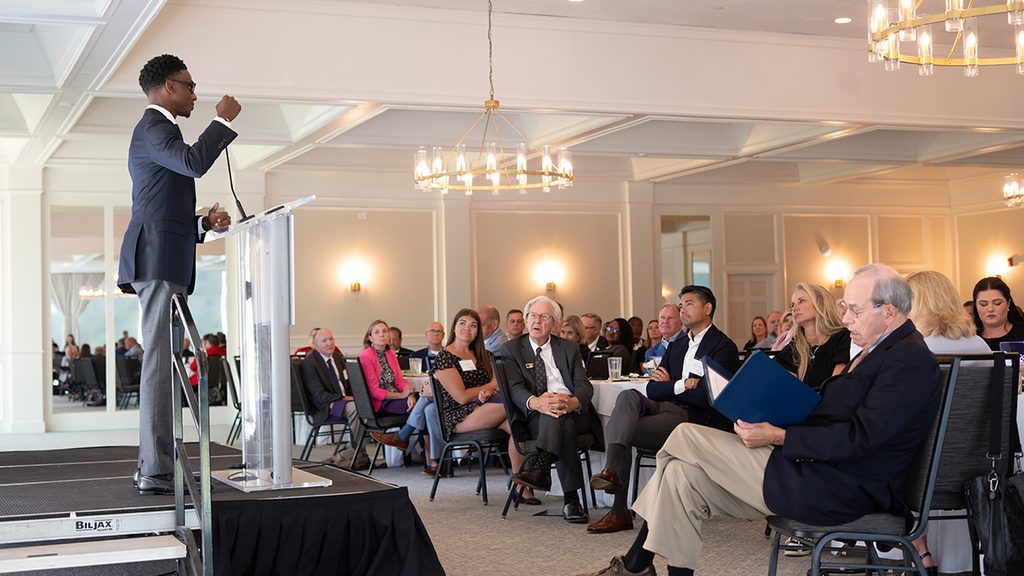
Cleveland Mayor Justin Bibb set the tone early. “As we all know and recognize, in the state of American politics right now, it is a shame that words like ‘compromise’ and ‘bipartisanship’ are dirty words,” he said. “OMA…brings Republicans, Democrats, and independents all together, in a very hard state sometimes, but all focused on one thing: making this state a safer, more prosperous place for those who call Ohio home.”
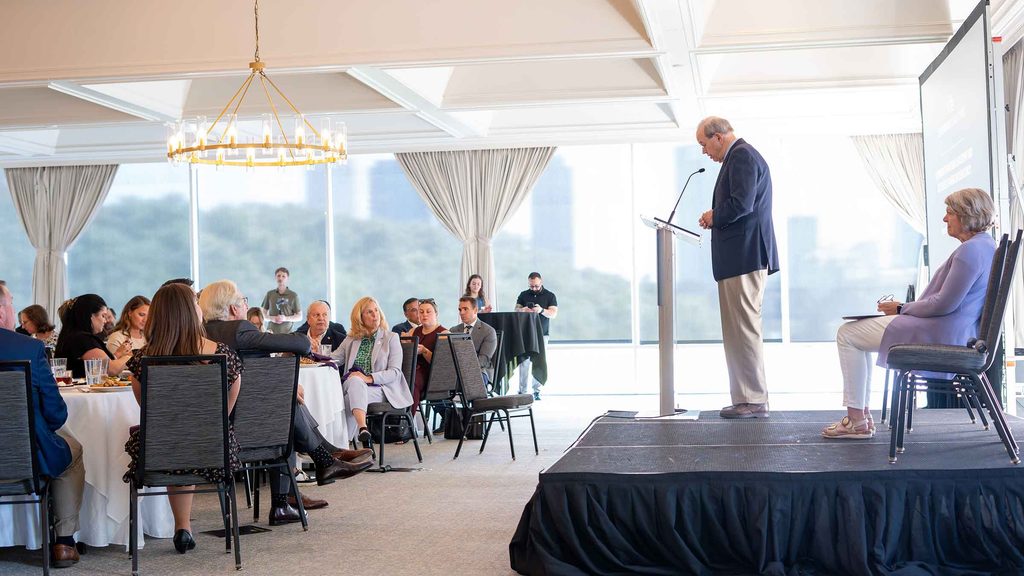
Former Governor Bob Taft put OMA’s work into a longer historical perspective. “As we look back over 200 years, we need to appreciate that our cities have always been the heartbeat of Ohio,” he said. “They played a key role in making Ohio a leading state in the nation… For Ohio to remain a national leader, our governors and legislators must continue to listen and respond to the concerns of mayors across the state. The OMA provides a clear, strong, united, bipartisan voice for this purpose.”
Former Cleveland Mayor Jane Campbell called ten years of bipartisan collaboration “a huge accomplishment” and emphasized the work still ahead. “We look at the future, and we say we want to make sure that the legislature pays attention, the elected leaders pay attention, and that we are able to talk about the fact that the vitality of this state is the vitality of the cities.”
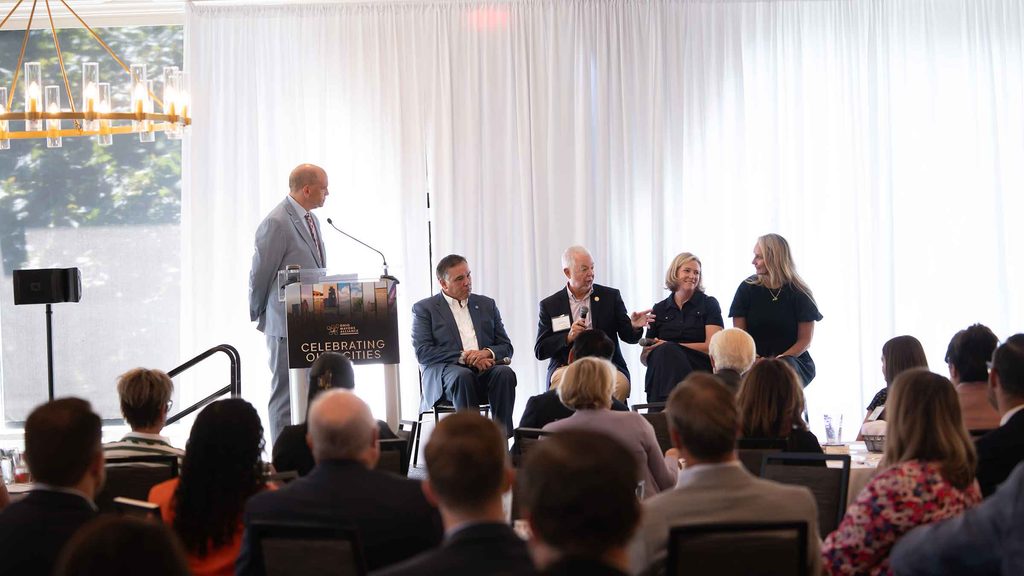
Former Findlay Mayor Lydia Mihalik recalled that OMA was born out of necessity. “Cities were under assault from Columbus,” she said. “Between cutting of funds and radical preemption, we were losing control of our communities… It didn’t matter if you were a big city, a little city, a midsize city, a Republican-led city, a Democrat, or independent. It didn’t matter. We were all being crushed.”
She also credited Governor DeWine with a line that has become a testament to the power of mayors: “If you want to get something done, you better put a mayor in charge. And that’s worked out pretty darn good so far for our state.”
Columbus Mayor Andrew Ginther pointed to the leaders who have carried OMA through its first decade. “We’ve faced a lot in the past ten years, and the reason I think the OMA is even stronger today than it was when we started is because of the incredible leaders that are our mayors and members of the Mayors Alliance,” he said, calling the organization “a real godsend for mayors in some very trying and turbulent times.”
Former Lancaster Mayor David Scheffler, elected in 2017, reflected on the colleagues who welcomed him into public service. “I’m forever grateful for the advice, guidance, and friendship that they’ve given me over the years,” he said, “and we’ve had a great time.”
Former Dayton Mayor Nan Whaley reflected on what OMA meant to her personally. “People ask, when I was mayor, what are you most proud of from your time as mayor? There’s two things: It was universal preschool in the City of Dayton and being a part of starting the Mayors Alliance.”
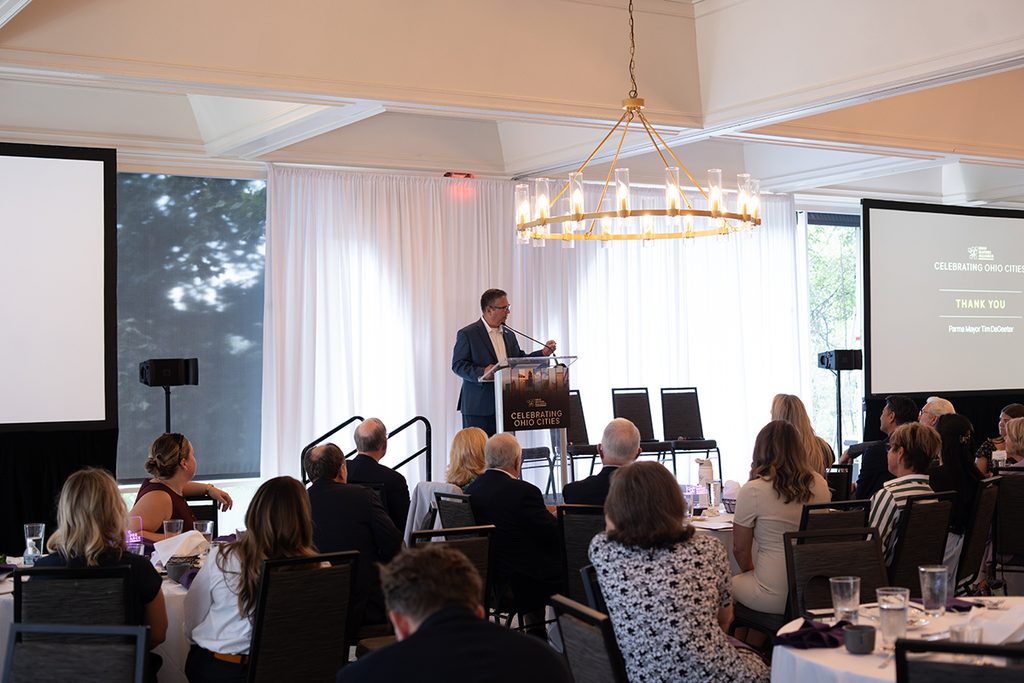
Parma Mayor Tim DeGeeter closed the luncheon by looking both backward and forward. “A decade ago, a small group of us, from both sides of the aisle and every corner of the state, came together around a simple belief: our cities are stronger when we work together,” he said. “A decade later, we now know we were right. The reflections we heard today from the mayors who helped build OMA reminded us why it was needed in the first place, and the Core Cities Strategy for Ohio we’re putting forward today shows why it still matters.”
Ten years after a handful of cities came together around the belief that Ohioans benefit when its cities work together, the Ohio Mayors Alliance is still going strong as a bipartisan voice for cities across the state. The first decade was built on collaboration. The next decade begins with that same spirit and a clear vision for Ohio’s future.